 |
 |
 |
 |
 |
 |
 |
 |
 |
|||
 |
 |
|
|||||||
 |
|||||||
 |
|||||||
 |
|||||||
 |
|||||||
|
|||||||






|
||||||
 |
||||||
 |
||||||
 |
||||||
|






 |
 |
 |
 |
 |
 |
 |
bmw extended warranty plans from a repeat owner's perspectiveWhy I looked again after my first BMW aged outMy factory coverage timed out on mileage, and I'd already had a brush with a finicky sensor. That nudged me back to bmw extended warranty plans, not out of fear, but because I wanted predictable costs. I'm the type who keeps a car through the "interesting" years, so smoothing surprises matters. What these plans generally coverThey focus on major mechanical and electronic components. Wear-and-tear items and cosmetics are typically excluded. Coverage tier names vary, but the idea is the same: broader tiers add more electronics and convenience systems.
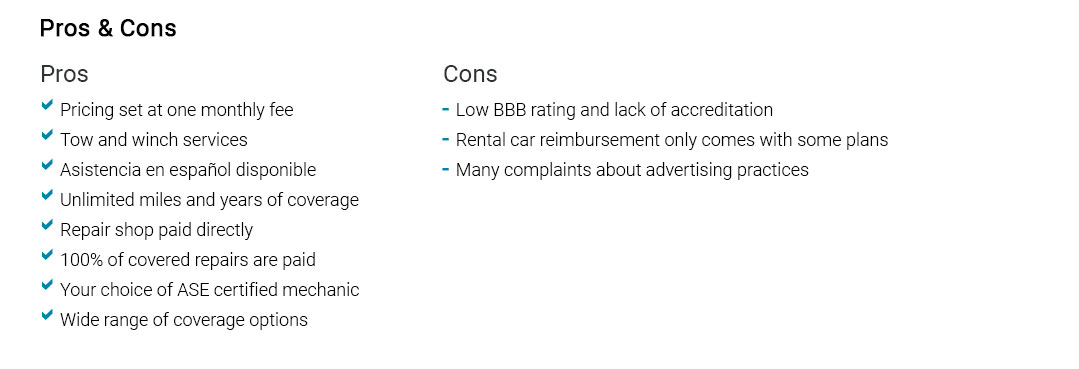
Think of it as trading an unknown repair bill for a known payment. Or put another way, you're shifting risk from your savings to a contract. A small real-world momentLast February, my iDrive screen froze during a sleety highway run. I limped into a dealership, paid a modest deductible, got a loaner, and the head unit was replaced under the plan. Not dramatic - just quietly handled when I had zero appetite for fiddling with electronics in bad weather. Pros I actually felt
Cons to weigh honestly
Selection: matching term and deductibleI chose a mid-deductible to keep the premium sensible. If you drive many miles, a longer term with a slightly higher deductible can be a fair compromise. Light usage? Shorter term, lower out-of-pocket might feel better.
Offers you'll likely see
Costs, fine print, and break-even thinkingPricing varies by model, mileage, region, and tier. Expect low-to-mid four figures for factory-backed coverage, more for M cars. The math is not only "repairs vs premium"; it's also stress reduction and time saved. Read for labor rate caps, diagnostics coverage, and whether remanufactured parts are allowed. Cancellation and transfer terms matter if you might sell early. Eligibility and timing
Who it suits - and who might skip
How I read the contract
Alternatives worth considering
Bottom lineIf the right offer aligns with your ownership horizon and you value predictable costs, a higher-tier plan can be comforting - especially as systems age. If your usage is light and your risk tolerance is high, keeping cash on hand may feel smarter. Either way, select deliberately, compare offers, and let your real driving plans - not pressure - steer the decision.
Main Topic:
Bmw Extended Warranty
https://www.bmwnorthwest.com/protection-plans/bmw.htm
With BMW Extended Vehicle Protection, peace of mind comes standard. Whether you choose the Platinum, Gold, or Powertrain Plus coverage plan, ... https://www.endurancewarranty.com/learning-center/make-model/bmw-extended-warranty-protecting-your-bmw-and-your-wallet/
Depending on your coverage plan, extended warranties can cover everything from the engine, fuel, transmission, cooling systems, electrical, and ... https://www.paulmillerbmw.com/bmw-protection-plans.htm
The Key Protection plan covers the replacement of lost, stolen, or damaged keys. Beyond replacing your vehicle's key, the BMW Key Protection plan often includes ...
|
